
Buying Land in Antelope Valley: 7 Checks Before You Make an Offer
Updated: Sep 4
FIELD GUIDE • ANTELOPE VALLEY
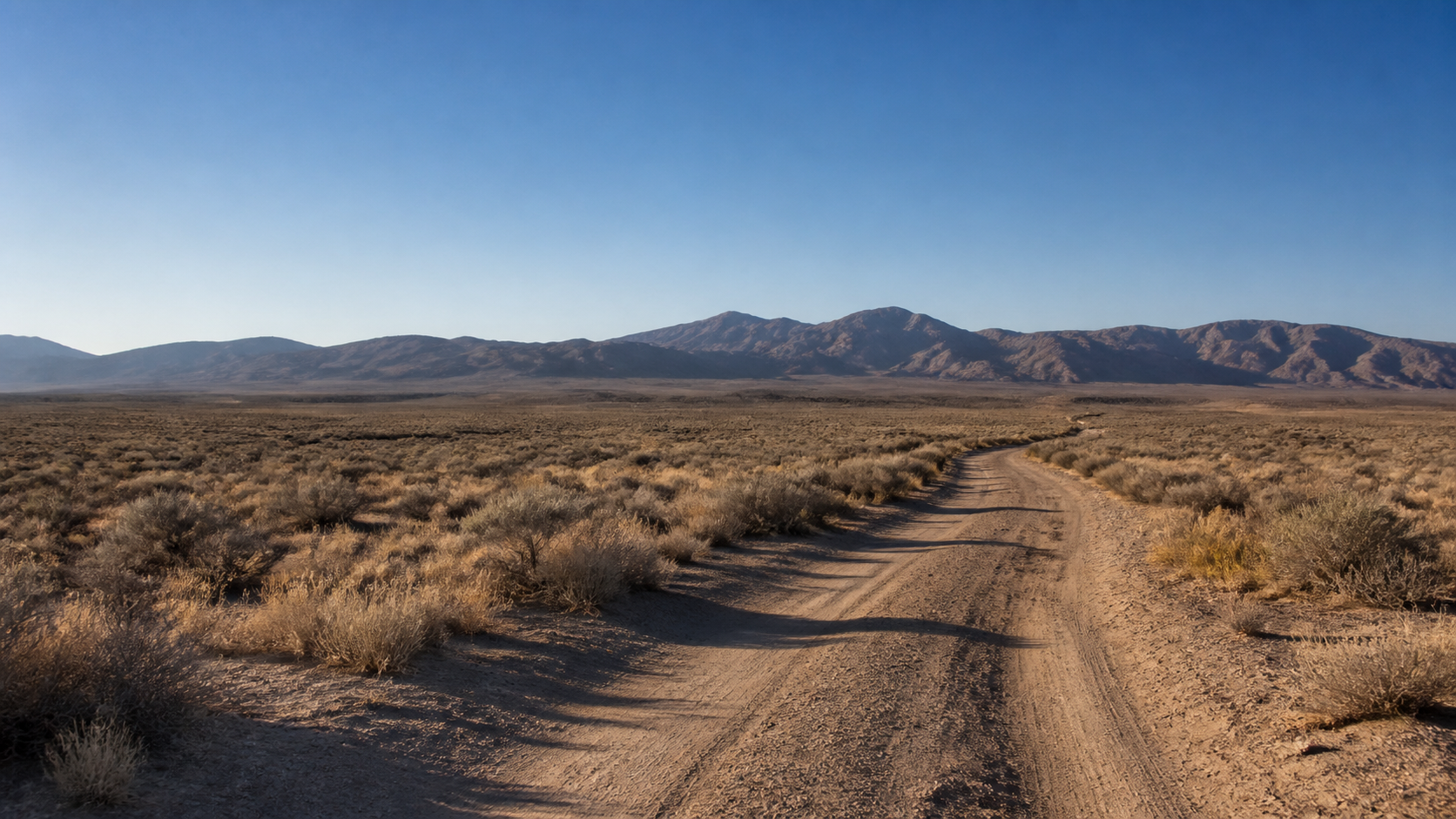
Buying land can create options for a future homesite, recreation, agriculture, or long-term ownership. But an attractive price does not tell you whether a parcel fits your plans.
Each property has its own access, zoning, utility, title, terrain, and cost considerations. Use this guide to organize your research before you make an offer.
FIELD NOTE — Treat every parcel as its own research project. Verify material facts with the responsible agencies and qualified professionals before you commit.
1. Start with your intended use
Write down what you want the property to do.
A future residence, manufactured home, agricultural use, recreational parcel, rental project, or long-term holding can require different zoning, access, utilities, permits, and timelines.
Do not assume that vacant land is buildable or that a use shown nearby is allowed on the parcel you are considering.
2. Confirm the parcel and legal access
Match the assessor’s parcel number, legal description, current ownership, and map location.
Confirm how the property is legally reached and whether access is public, private, or granted through a recorded easement.
A visible road, tire tracks, or an online map pin does not by itself prove legal access. Ask who maintains the road and what costs or restrictions may apply.
3. Verify zoning and the permit path
Contact the appropriate city or county planning and building departments with the exact parcel number.
Ask about zoning, minimum lot size, setbacks, density, overlays, allowed structures and uses, manufactured homes, recreational vehicles, animals, and the permits required for your plan.
Get current answers from the responsible agency rather than relying only on a listing description.
4. Investigate water, power, septic, and communications
Identify the available utility providers and the distance from existing service.
If public water or sewer is unavailable, investigate well feasibility, hauled-water rules, septic requirements, and any testing or permits. Also check electricity, propane, internet, and emergency-service access.
Obtain written estimates where possible; utility and site-work costs can materially change the budget.
5. Review boundaries, terrain, and hazards
Visit the property and evaluate road conditions, drainage, slope, soil, nearby uses, and signs of dumping or encroachment.
A survey may be needed when corners or boundaries are unclear.
Check applicable flood, fire, environmental, habitat, and geologic information with the proper agencies and qualified professionals.
6. Review title, taxes, and financing terms
Read the preliminary title report and confirm taxes, liens, assessments, easements, restrictions, and other recorded matters.
If seller financing is offered, compare the down payment, interest rate, amortization, payment schedule, balloon payment, servicing, late and default terms, prepayment rights, and title-transfer process.
Consider independent legal, tax, lending, and insurance advice before accepting terms you do not fully understand.
7. Calculate the total project cost
Compare parcels using the full cost of ownership, not the asking price alone.
Your budget may include escrow and title charges, inspections, survey work, financing costs, taxes, permits, grading, road work, fencing, water, septic, utility connections, insurance, security, cleanup, and ongoing carrying costs.
Include a contingency for unknown conditions.
A practical checklist before you make an offer
Assessor’s parcel number, legal description, current ownership, and boundaries
Recorded legal access, easements, road condition, and maintenance responsibility
Current zoning, permitted use, setbacks, and permit requirements
Water, septic, power, communications, and utility-extension estimates
Title, taxes, liens, assessments, restrictions, and financing terms
Survey, terrain, drainage, flood, fire, environmental, and soil considerations
Total acquisition, development, and long-term carrying costs
Appropriate inspection, financing, title, legal, tax, and agency review
Browse current Antelope Valley land searches
AAbacus Listings can help you compare available land, organize questions for the appropriate agencies, and review current property information.
Listings, prices, status, and property details can change. Buyers should independently verify every material fact, including access, zoning, buildability, utilities, boundaries, financing, and development costs.
Se habla español.
Helber Camey | REALTOR® | DRE #02242768
AAbacus Listings | Century 21 Doug Anderson
Equal Housing Opportunity
This article is for general educational information and is not legal, tax, engineering, land-use, lending, insurance, or environmental advice.
Comments